The Data-Driven Job Search: Using Analytics to Land Your Dream Role
By JobTracker Team
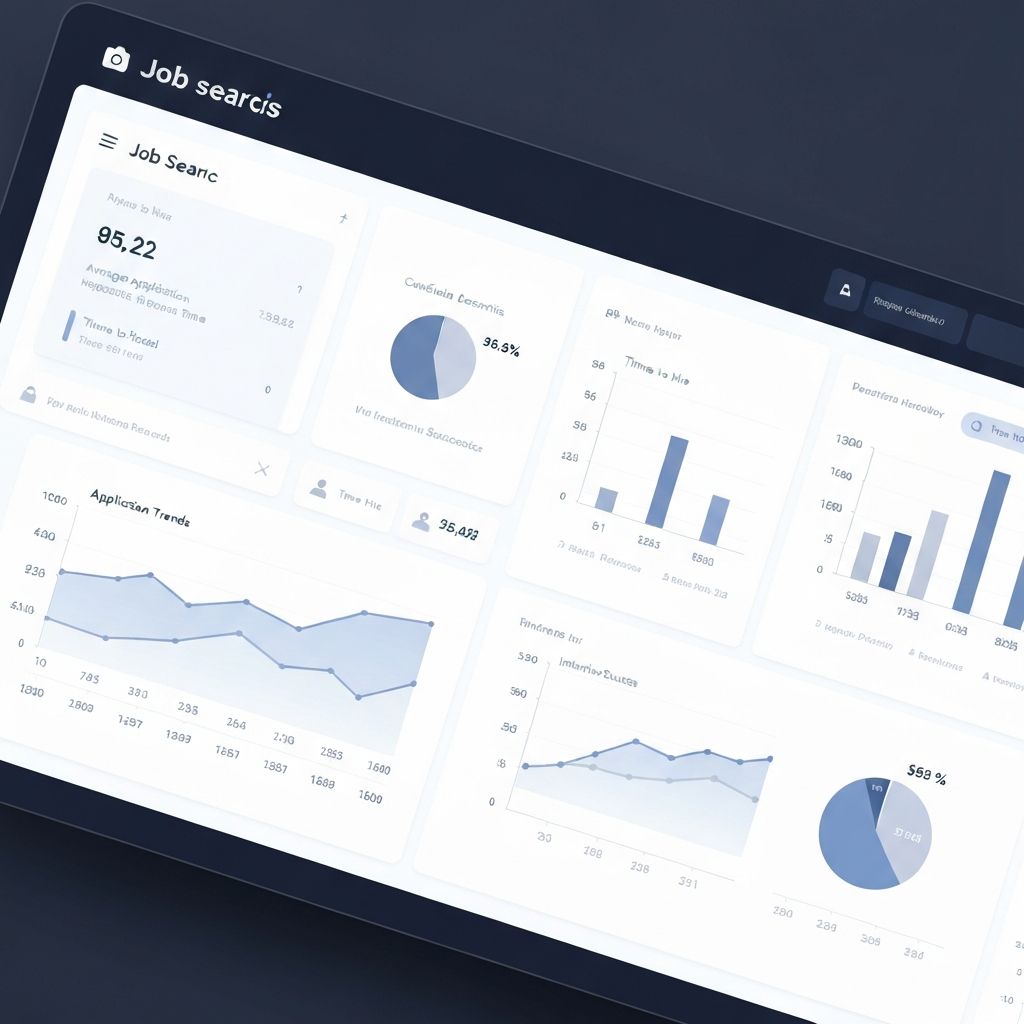
Most job seekers apply randomly and hope for the best. But what if you could use data to optimize your strategy?
Track These Key Metrics
Tracking these metrics transforms your job search from guesswork into a strategic, data-driven process that improves with every application.
Response Rate
Which job boards get you the most replies? Focus your energy there.
Track: Percentage of applications that receive any response (rejection, interview request, or follow-up questions)
Time to Response
How long do companies typically take? Stop checking your email obsessively.
Track: Average days between application submission and first response from employers
Interview Conversion
Which types of roles lead to interviews? Double down on those.
Track: Percentage of applications that result in interview requests, broken down by role type, industry, and company size
Application Quality
Are you getting better results with tailored applications vs. quick applies?
Track: Success rates for customized applications versus using standard resume and cover letter
Real Success Story: Data Changed Everything
One job seeker tracked 200 applications and discovered a game-changing pattern:
Response rate on LinkedIn applications
Direct applications to company websites
Generic job board applications
The Result
She shifted her strategy to focus primarily on LinkedIn applications and landed 3 job offers within 6 weeks.
How to Implement This Strategy
Start tracking immediately
Use a spreadsheet or job tracking tool like JobTracker Pro to log every application with: company name, role, date applied, job board used, whether it was tailored, and outcomes.
Wait for 30-50 applications
You need a reasonable sample size before patterns become clear. Track diligently for 2-3 weeks to gather meaningful data.
Analyze your data
Calculate response rates by job board, company size, role type, and application method. Look for patterns: Which approaches are working? Which are wasting time?
Double down on what works
If LinkedIn gives you 35% response rate and Indeed only 12%, spend 80% of your time on LinkedIn. Stop wasting energy on low-performing channels.
Continuously optimize
Review your metrics weekly. Test different approaches (tailored vs. standard applications, morning vs. evening submissions) and measure results. Your strategy should evolve as you gather more data.
The Lesson
Track everything. Analyze patterns. Adjust your approach. Success follows data.